

23.9 Miles: Distance, Not Doctors, Has Become the Biggest Barrier to Healthcare Access in California’s Rural Counties
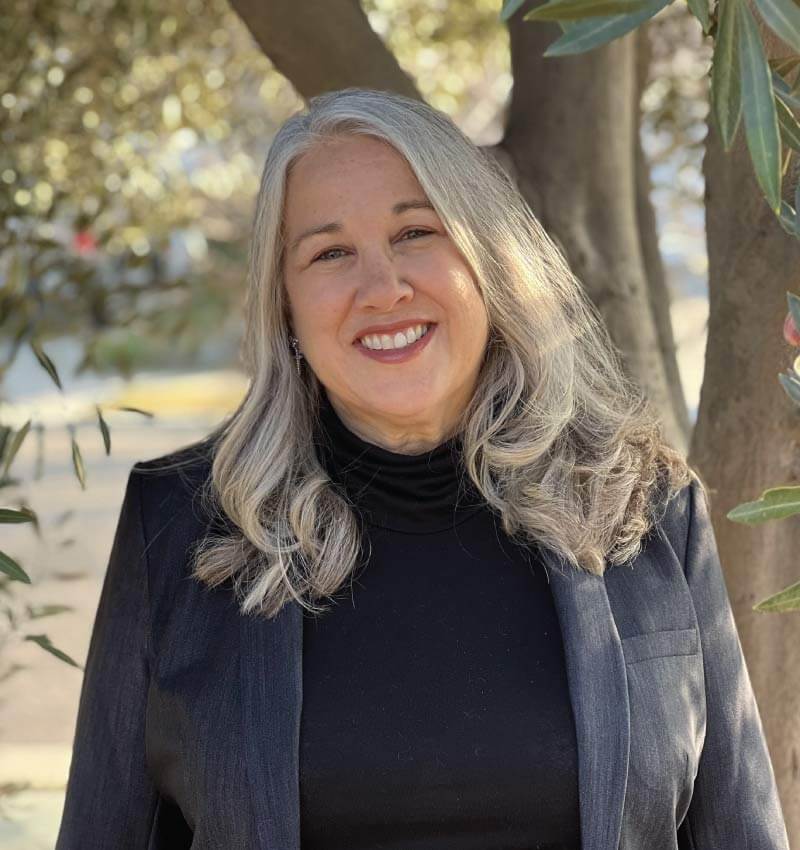
Deanne Martin Soares, Owner of Amdal Transport, based in Tulare, California.

Amdal Transport Services logo.

An Amdal Transport Services van providing non-emergency medical transportation in Tulare County, California.
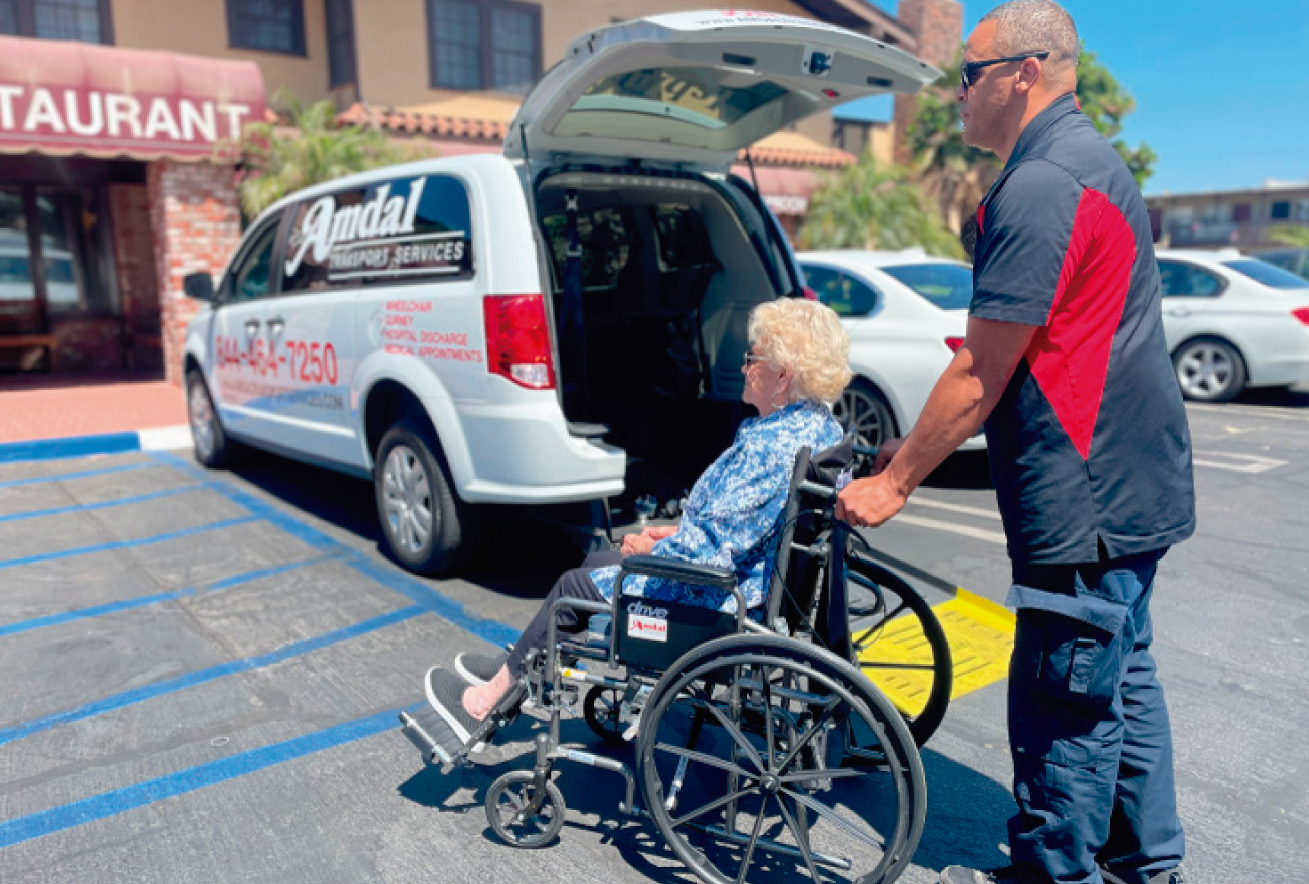
An Amdal Transport Services team member assisting a client during wheelchair transport in Tulare County, California.
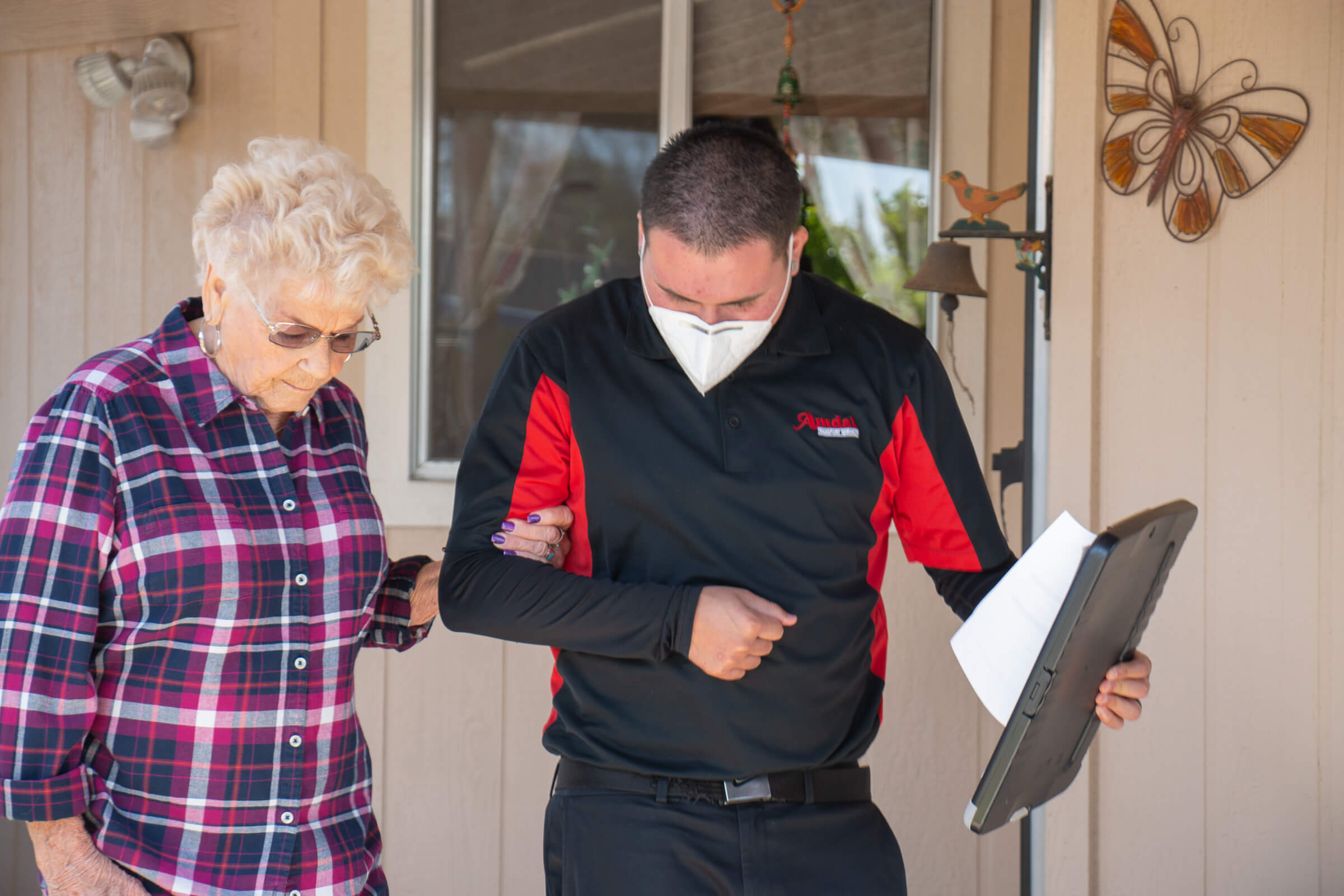
An Amdal Transport Services employee assisting a client with safe stair navigation during a medical transport.
Rural Californians now travel 23.9 miles for care, making distance—not doctor shortages—the biggest barrier to healthcare access.
TULARE, CA, UNITED STATES, February 12, 2026 /EINPresswire.com/ -- Across rural California, patients are facing a growing healthcare access crisis driven not only by physician shortages, but by distance. National research shows that after rural hospital closures, the median travel distance needed for general inpatient care climbed dramatically, from about 3.4 miles to nearly 24 miles, with specialized services requiring even longer trips. Longer travel times compound access challenges, particularly in areas with limited public transit or personal vehicles.
For residents across Tulare County, San Luis Obispo County, and Santa Barbara County, long travel distances increasingly determine whether patients attend routine appointments, receive behavioral health services, or access specialty care. From agricultural communities in the Central Valley to rural coastal towns along California’s Central Coast, geography has become a defining factor in healthcare access.
In Tulare County, patients in communities such as Porterville, Dinuba, and Lindsay often travel to regional medical hubs for specialty care or behavioral health services. Along the Central Coast, residents in Paso Robles, Cambria, Arroyo Grande, Santa Maria, and Lompoc frequently depend on centralized healthcare facilities that may be many miles away, requiring extended travel along rural highways where public transportation options are limited.
Seniors, wheelchair users, and patients requiring gurney transport are disproportionately affected, especially when family members are unable to provide consistent transportation. For many individuals, missing a ride can mean missing care entirely.
Distance Is Redefining Healthcare Access
Unlike urban areas, where hospitals and clinics are often located within a few miles, many rural and semi-rural Californians must travel beyond traditional access benchmarks to receive care. California’s Department of Health Care Services allows rural counties to meet access requirements even when patients travel up to 60 miles or 90 minutes for care, thresholds that acknowledge geographic realities but do not equate to patient convenience.
As healthcare systems continue shifting toward outpatient models and earlier hospital discharges, the demand for non-emergency medical transportation (NEMT) has surged. Patients discharged sooner often rely on scheduled NEMT, wheelchair transport, and gurney services to attend follow-up appointments, dialysis treatments, physical therapy, behavioral health visits, and other medically necessary care, all vital to preventing complications and costly hospital readmissions.
Hospital Closures and Financial Strain Deepen the Challenge
Across California, rural hospitals face significant financial pressure. Nearly two-thirds of critical access hospitals, facilities serving communities located at least 35 miles from another hospital, operate at a deficit as costs rise and reimbursements stagnate.
These financial stresses have contributed to hospital closures; when a rural hospital shuts down, patients must travel even farther for care. For people in poor health, seniors, and those living in poverty, a closure can increase travel distances by 20 miles for inpatient services and up to 40 miles for specialized services like substance use treatment.
This situation underscores the reality that transportation barriers often determine whether patients receive timely care, regardless of whether providers are available.
Local Insight from Amdal Transport
“Healthcare access doesn’t end at the clinic door,” said Deanne Martin Soares, Owner of Amdal Transport. “Across Tulare County, San Luis Obispo County, and Santa Barbara County, distance has become one of the most significant healthcare barriers. Many patients must travel across county lines or along long rural corridors just to reach specialty care. Safe, reliable transportation determines whether patients actually receive the care they’re referred to.”
Amdal Transport provides non-emergency medical transportation services throughout Tulare County, San Luis Obispo County, and Santa Barbara County. Services include wheelchair transportation, gurney transport, and scheduled medical transport that supports seniors, individuals with mobility challenges, and patients requiring reliable access to care.
Transportation: A Social Determinant of Health
Public health researchers increasingly recognize transportation as a social determinant of health, particularly in rural and geographically dispersed regions. Without dependable medical transportation, patients are more likely to delay treatment, rely on emergency services, or disengage from ongoing care entirely.
“Transportation is more than just getting from point A to point B; it’s a lifeline to good health,” Martin Soares added. “When patients lack reliable access to medical transport, the consequence isn’t just inconvenience, it’s poorer health outcomes.”
Looking Ahead: Solutions Must Include Transportation
As California invests in healthcare expansion and behavioral health reform, experts emphasize that transportation infrastructure must be part of policy discussions. Without coordinated transportation solutions that meet the unique needs of rural and coastal counties, healthcare access gaps are likely to widen even further.
About Amdal Transport
Amdal Transport is a trusted provider of non-emergency medical transportation services serving Tulare County, San Luis Obispo County, and Santa Barbara County. The company is dedicated to ensuring that all patients, regardless of mobility challenges or geographic barriers, can access the care they need.
Deanne Martin Soares
Amdal Transport
+1 844-464-7250
email us here
Visit us on social media:
Instagram
Facebook
Legal Disclaimer:
EIN Presswire provides this news content "as is" without warranty of any kind. We do not accept any responsibility or liability for the accuracy, content, images, videos, licenses, completeness, legality, or reliability of the information contained in this article. If you have any complaints or copyright issues related to this article, kindly contact the author above.
