

Dr. John Ahn Highlights the Global Micro- and Nanoplastics Crisis in TEDx Talk
“Too Small to See, Too Dangerous to Ignore: Micro- and Nanoplastics”
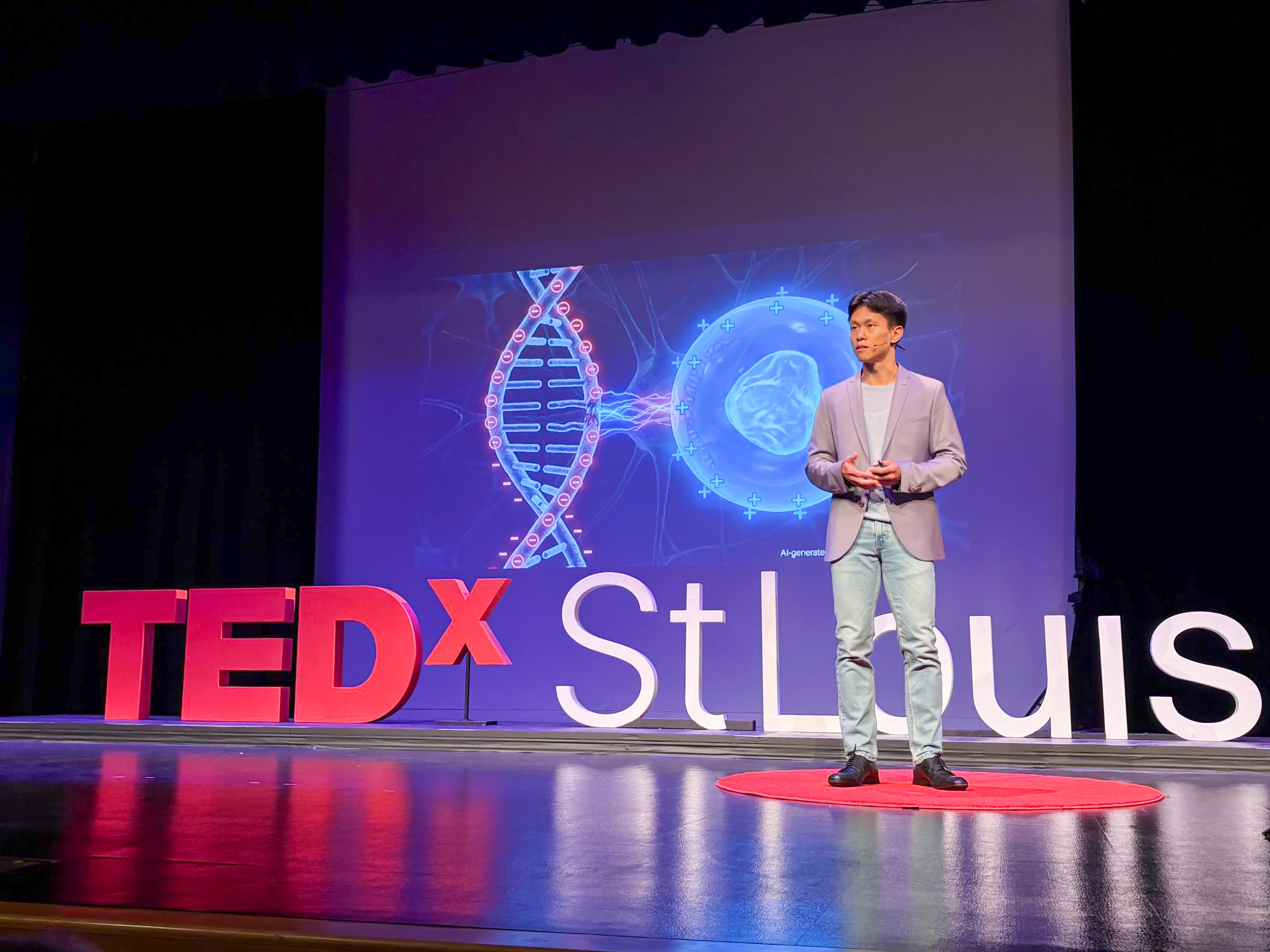
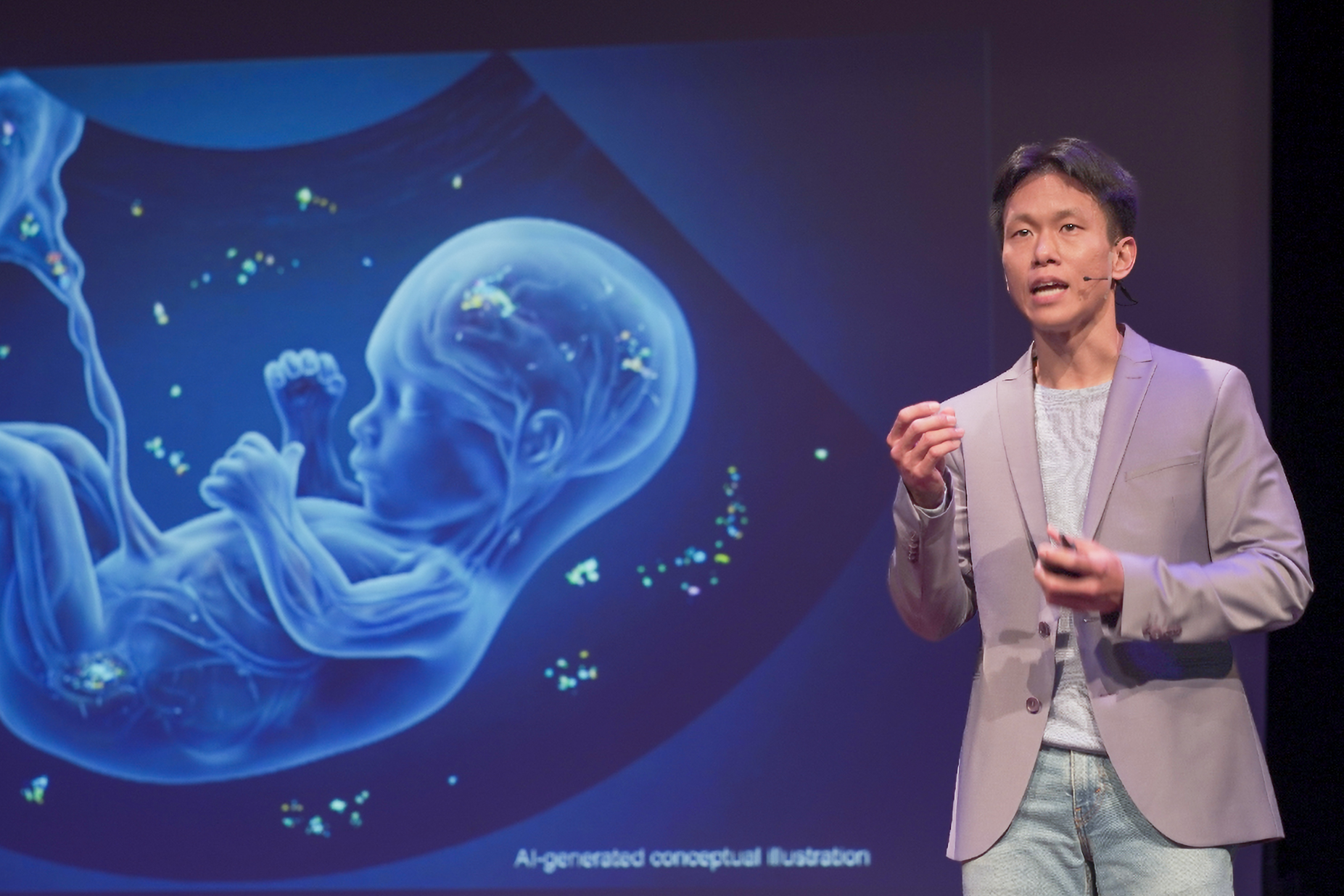
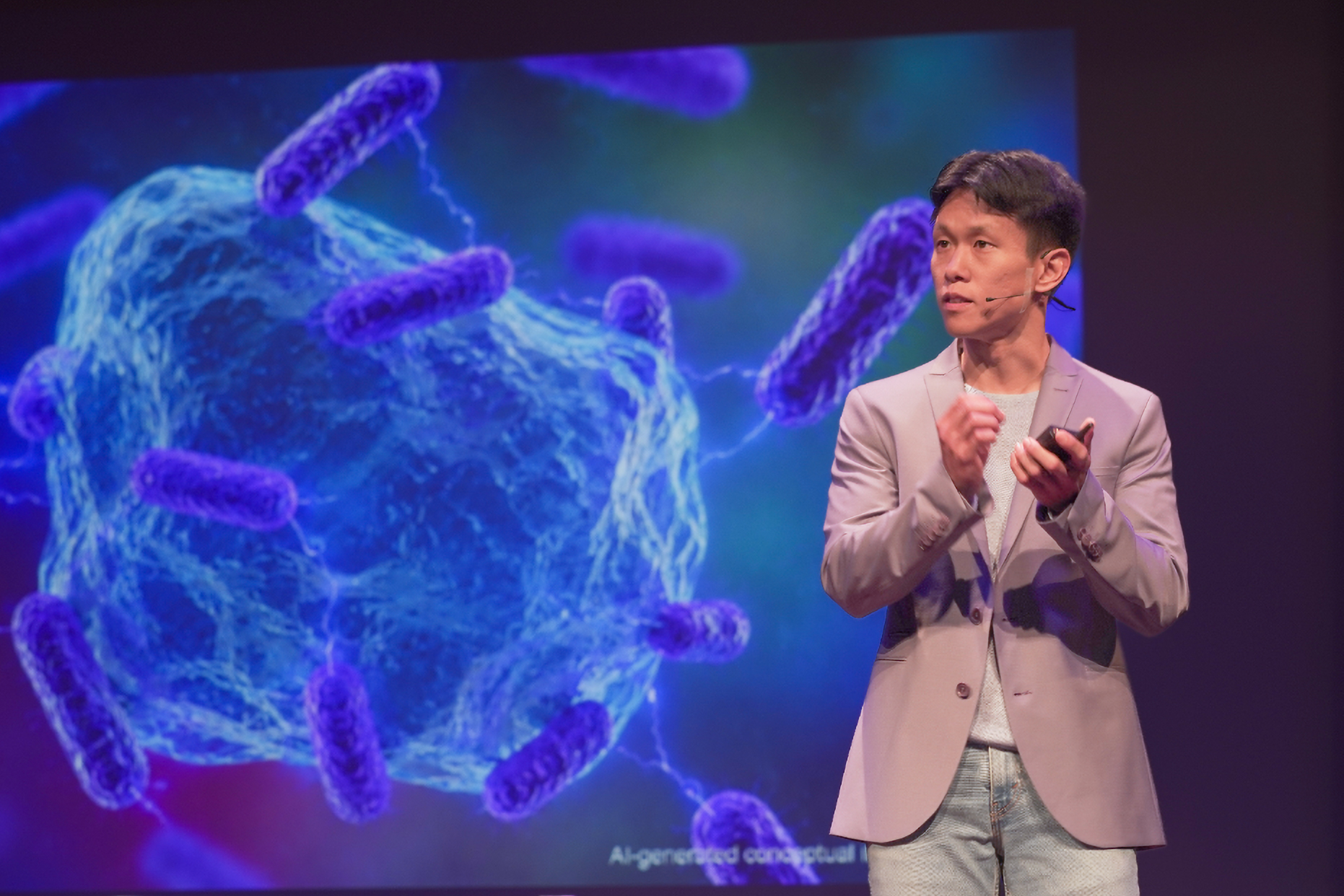
ST. LOUIS, MO, UNITED STATES, June 3, 2026 /EINPresswire.com/ -- Dr. John Ahn, PhD, MBA, Chief Scientist and Chair of the ALLATRA Global Research Center, took the TEDxStLouis stage to deliver his talk, “Too Small to See, Too Dangerous to Ignore: Micro- and Nanoplastics.” Speaking before a diverse audience at the Missouri History Museum, Dr. Ahn joined a distinguished group of speakers in presenting ideas aimed at addressing some of society’s most pressing challenges. His presentation offered a critical analysis of the growing health and environmental concerns associated with micro- and nanoplastics while highlighting emerging scientific insights and potential directions for future research and policy.Dr. Ahn framed micro- and nanoplastics as a pervasive form of “invisible pollution” that does not simply disappear once released into the environment. He explained that everyday plastic products — including bottles, tires, clothing, and packaging — gradually break down into increasingly smaller particles, with a single gram of plastic capable of fragmenting into quadrillions of particles. Once dispersed, these particles can persist in the environment, circulate through air and water, and accumulate in ecosystems and living organisms.
“Micro- and nanoplastics are everywhere — and once they're in, they don't just pass through. They accumulate,” said Dr. Ahn.
He explored recent research on micro- and nanoplastics and their potential effects across multiple biological systems, emphasizing that while scientific understanding continues to evolve, concern is growing. Dr. Ahn discussed emerging evidence suggesting that micro- and nanoplastics may contribute to a range of health concerns, including neurodegenerative diseases, cardiovascular health effects, reproductive health challenges, and broader disruptions to cellular function.
One focus of the presentation was the role of electrostatic charge in shaping the behavior of micro- and nanoplastics in biological and environmental systems. Dr. Ahn described how charged particles may interact with biological barriers, biomolecules, and cellular components, potentially contributing to their persistence and accumulation in the body.
“The science is still emerging, but one physical property stands out: electrostatic charge. It may be the superpower that helps explain their behavior,” he said.
A central message of the talk was that traditional solutions — such as reducing plastic use, increasing recycling, and pursuing cleanup efforts — remain important but may not fully address the reality that micro- and nanoplastics are already deeply embedded in biological and environmental systems.
Dr. Ahn acknowledged that physically removing trillions of particles from air, oceans, and the human body is not currently realistic. He suggested that addressing the micro- and nanoplastics challenge may require a different way of thinking about solutions.
“We may be asking the wrong question,” he said. “Maybe it’s not about how to remove these tiny plastics — but how to make them less harmful.”
He closed by noting growing momentum to better understand and address micro- and nanoplastics. Reflecting this trend, in April 2026 the United States formally recognized micro- and nanoplastics as a public health concern through a joint announcement by the U.S. Department of Health and Human Services and the U.S. Environmental Protection Agency. The agencies launched STOMP (Systematic Targeting of MicroPlastics), a five-year, $144 million ARPA-H program to better understand the biological impacts of microplastics and develop potential solutions. This federal initiative reflects increasing recognition of the potential impacts of micro- and nanoplastics on human and environmental health.
Other Featured Speakers
Erica Barnell, MD, PhD, Co-Founder and Chief Medical and Science Officer of Geneoscopy, spoke on early cancer detection. Her talk, “Four Words Between You and Cancer,” explored how becoming more comfortable with difficult health conversations can lead to life-saving early detection and prevention.
Alison Huckenpahler, MD, PhD, psychiatrist and neuroscientist, presented “Novel Sleep-Based Treatment for Psychiatric Issues,” highlighting how targeted changes to the timing, depth, and stability of sleep may help treat depression.
Stephen Hupp, PhD, Executive Director of the Committee for Skeptical Inquiry and Editor of Skeptical Inquirer, presented “Exploring Strange Mysteries Can Sharpen Your Thinking,” demonstrating how examining unusual claims through a rigorous, skeptical lens can strengthen critical thinking skills.
Pierre Paul, PhD student in Disability Studies and Founder and CEO of We Hear You, presented “Inclusive Design for Accessibility,” arguing that effective disability solutions require collaboration between designers and people with lived experience — and that better design benefits everyone.
The evening also featured live performances by Kristen Harris (KMoney), an award-winning spoken-word artist, and Collective Motion, a choreography and storytelling ensemble.
About TED and TEDxStLouis
TED is a nonprofit organization devoted to Ideas Worth Spreading. Since its beginnings as a conference in California, TED has expanded through a range of global initiatives, including TEDx, which supports independently organized TED-style events around the world.
TEDxStLouis is an independent program of local, self-organized events created in the spirit of ideas worth spreading. TEDx events combine TEDTalks videos and live speakers to spark discussion, inspire new ideas, and foster meaningful connections within communities.
About the ALLATRA Global Research Center
The ALLATRA Global Research Center is an independent research organization dedicated to advancing scientific understanding of critical environmental and health challenges facing humanity. Through rigorous analysis and interdisciplinary collaboration, ALLATRA produces comprehensive reports and documentaries designed to inform public understanding, policy discussions, and scientific collaboration on global challenges, including micro- and nanoplastic contamination, climate change, and geodynamic threats.
Valeria Smian
ALLATRA
valerie@allatra.org
Visit us on social media:
LinkedIn
Instagram
Facebook
X
Legal Disclaimer:
EIN Presswire provides this news content "as is" without warranty of any kind. We do not accept any responsibility or liability for the accuracy, content, images, videos, licenses, completeness, legality, or reliability of the information contained in this article. If you have any complaints or copyright issues related to this article, kindly contact the author above.
